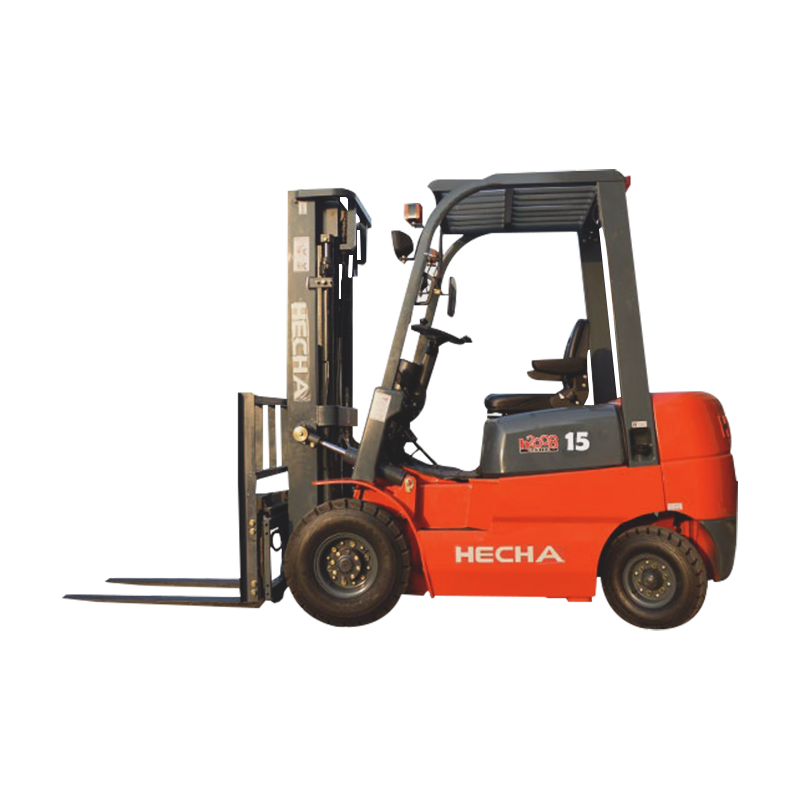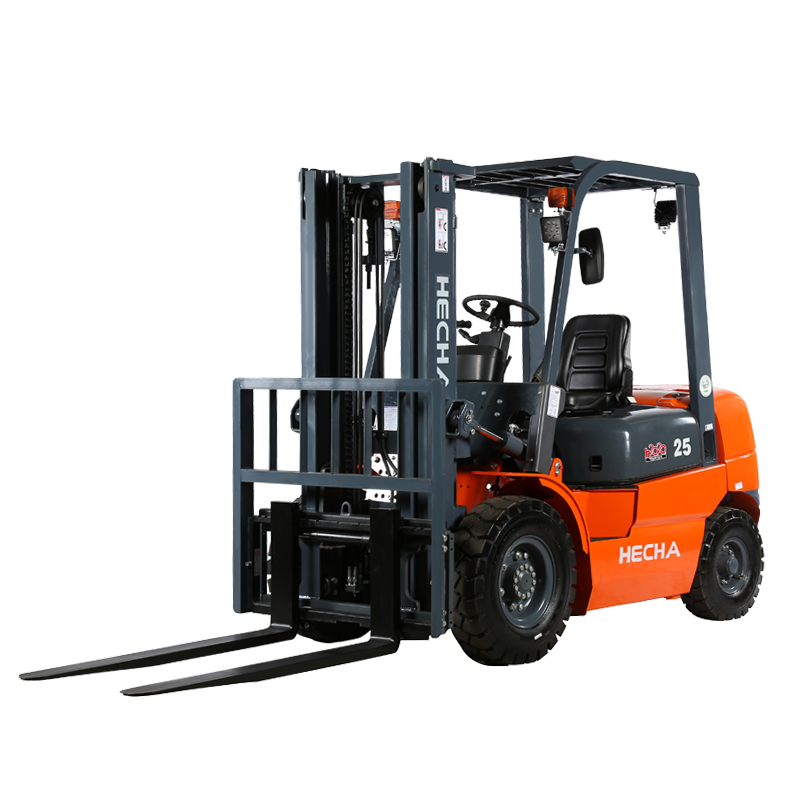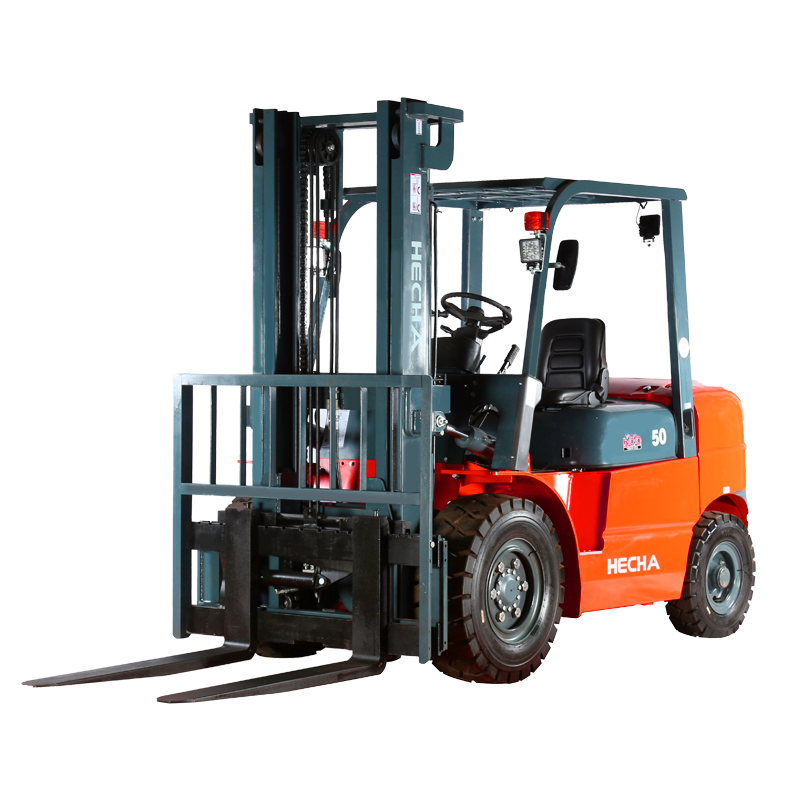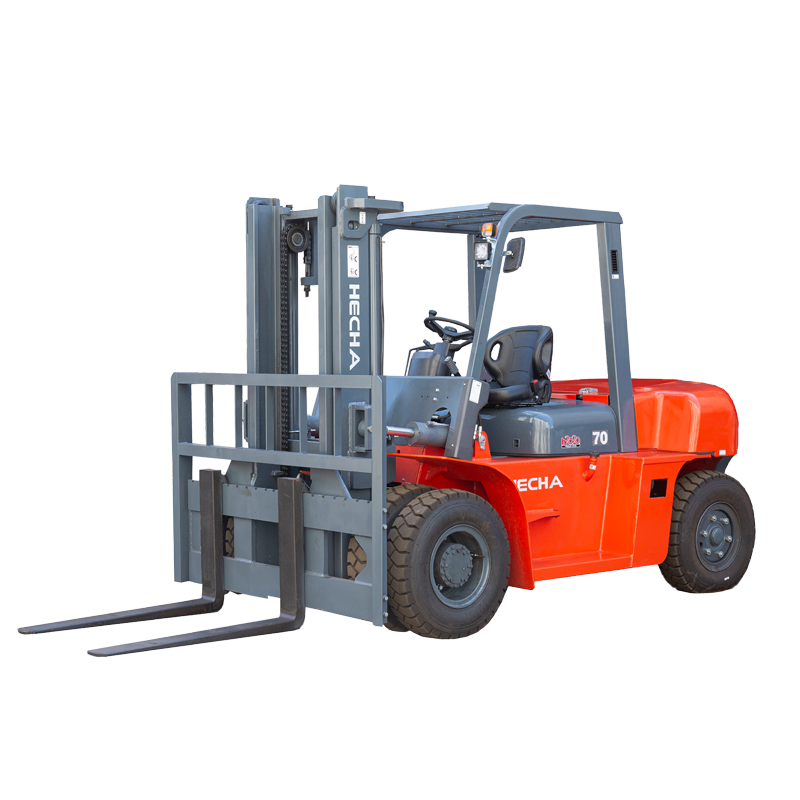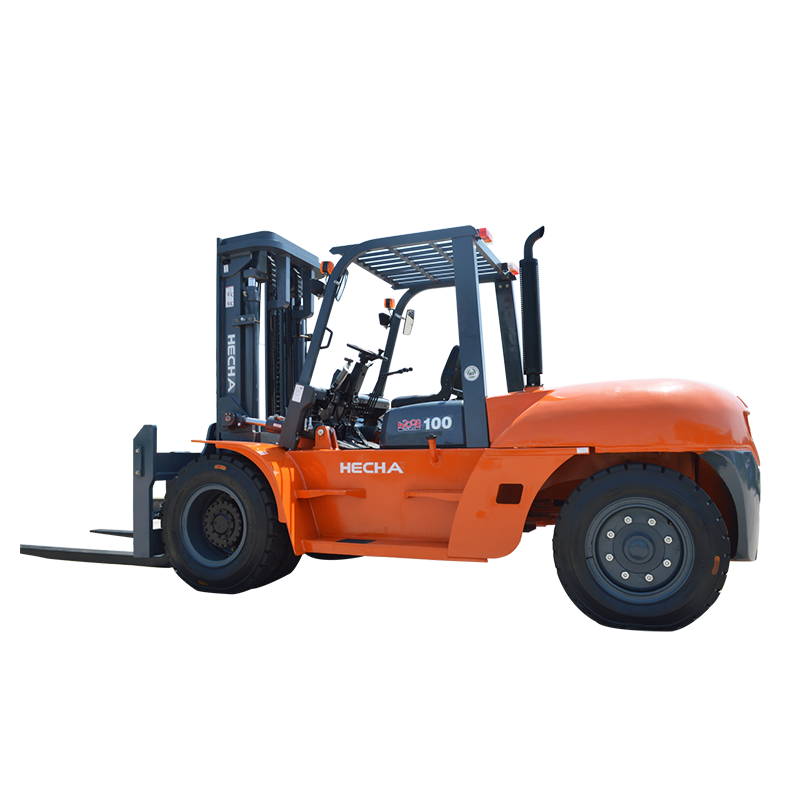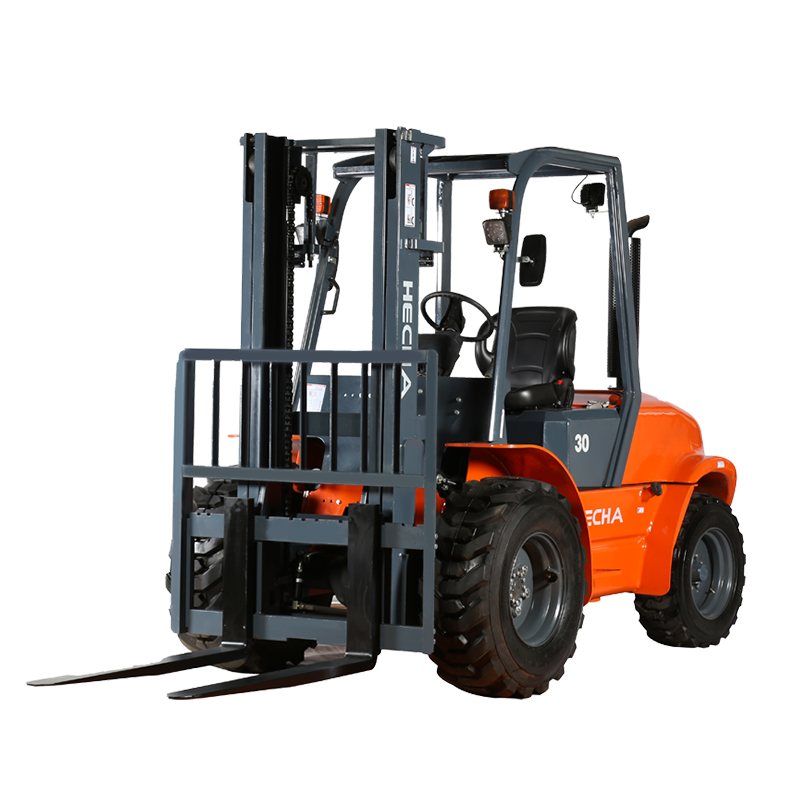

قبل از انتخاب آسانسور لاستیک را انتخاب کنید. اگر بیشتر چرخه شما در کفهای تمیز، خشک و سخت انجام میشود، یک لیفتراک تایر بالشتک معمولاً هزینه کمتری در طول عمر و مانورپذیری دقیقتری ارائه میدهد. اگر زمین شما شن، خاک، بتن با ترک و درز انبساط یا هر سطحی است که گل و لای و باران میبارد، لیفتراک پنوماتیک تایر مناسبتر است. این موضوع در مورد هر نوع نیروی لیفتراک که در Hecha با آن کار می کنیم صادق است.
تصمیم در مورد ترجیح برند نیست. این در مورد تطبیق ساختار تایر با شرایط زمین، مشخصات بار، و هندسه راهرو عملیات خاص شما است.
قانون تصمیم گیری سریع: بتن صاف = بالشتک. شن، خاک یا بتن شکسته = پنوماتیک. آسفالت ترک خورده و یارد مختلط = بادی جامد یا لیفتراک LPG با لاستیک های بادی.
آشنایی با دو نوع تایر
لاستیک های کوسن لاستیک های لاستیکی جامد هستند که مستقیماً روی یک نوار فلزی نصب می شوند. آنها محفظه هوا، لوله و خطر سوراخ شدن ندارند. سطح صاف یا آجدار آنها به یک مزیت در بتن صاف و پایدار یا آسفالت تبدیل می شود، زیرا لکه تماس ثابت می ماند و پاسخ فرمان واضح است.
لاستیک های پنوماتیک لاستیک هایی پر از هوا با دیواره جانبی ضخیم و بلوک های آج عمیق، بسیار شبیه لاستیک های یک کامیون. ستون هوا شوک را جذب می کند، آج به مواد شل برخورد می کند، و ارتفاع سواری بالاتر شاسی را در بالای زباله ها و گودال ها نگه می دارد.
بین این دو، لاستیک های پنوماتیک جامد در اندازه های معمولی لیفتراک موجود هستند. آنها مشخصات تایر هوا و فاصله از زمین را حفظ می کنند، اما با پر کردن پوشش با لاستیک جامد، حفره هوا را از بین می برند. این یک انتخاب عملی برای حیاطهایی است که سوراخهای میخها یا زبالههای فلزی مکرر است اما زمین شدید نیست.
آنچه مقایسه کنار هم به شما می گوید
جدول زیر تفاوت هایی را که واقعاً بر تصمیمات خرید لیفتراک تأثیر می گذارد، خلاصه می کند.
| معیارها | تایر کوسن | لاستیک پنوماتیک |
|---|---|---|
| کشش روی زمین ناهموار یا مرطوب | کم | بالا |
| شعاع چرخش در راهروهای باریک | کوچک | بزرگتر |
| فاصله از زمین | کم | بالا |
| پشتیبانی بار روی زمین نرم | محدود | قوی |
| لرزش و راحتی اپراتور | لرزش بیشتر | جذب ضربه بهتر |
| خطر سوراخ شدن | هیچ کدام | با نسخه های پر از هوا امکان پذیر است |
| بهترین سطح معمولی | بتن صاف، آسفالت | شن، خاک، بتن شکسته |
چگونه شرایط طبقه تصمیم را هدایت می کند
طبقات انبار سرپوشیده قلمرو اصلی تایرهای بالشتکی هستند. ترکیب لاستیکی جامد در برابر سایش ناشی از لغزش روی بتن صاف مقاومت می کند و مشخصات کم آن استفاده از ظرفیت کامل ردیف های باریک قفسه را بدون خراش دادن شاسی آسان تر می کند. برای یک برنامه استاندارد داخلی، Hecha’s لیفتراک باتری سرب اسیدی 2-5 تن اغلب با لاستیک های بالشتکی پیکربندی می شود، اما می توان آن را بر روی لاستیک های پنوماتیکی نیز زمانی که بارانداز دارای شیب های تند یا بتن آسیب دیده است سفارش داد.
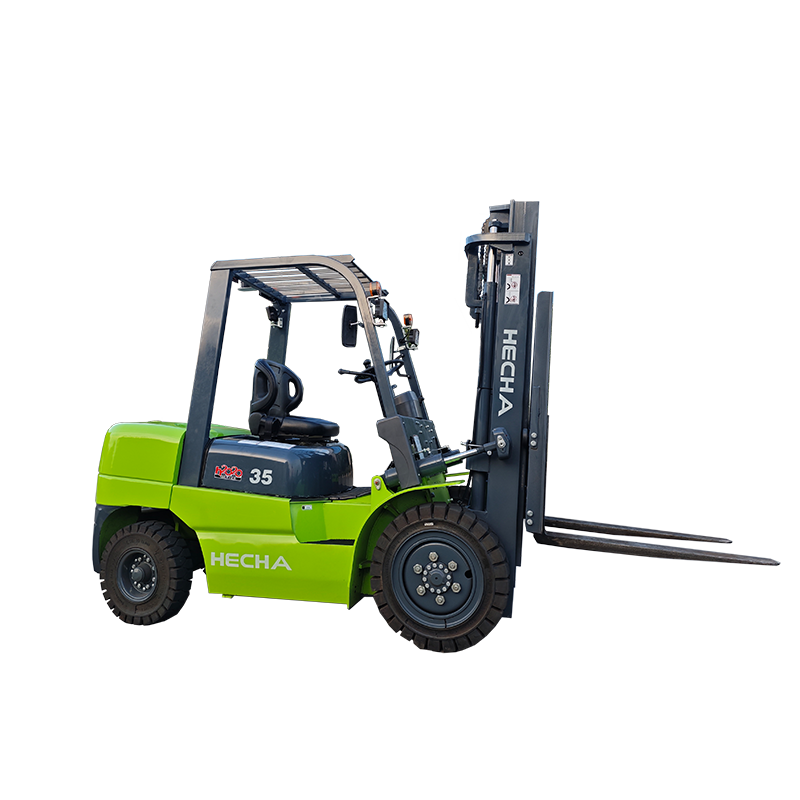 لیفتراک برقی با گزینه های بالشتک و پنوماتیک تایر این لیفتراک برقی انعطاف پذیری را برای محیط های داخلی و مختلط ارائه می دهد. باتری سرب اسیدی آن قدرت پایداری را فراهم می کند، در حالی که لاستیک های پنوماتیک اختیاری کشش را در بتن ترک خورده یا سطح شیب دار بهبود می بخشد و آن را به گزینه ای همه کاره برای کار در انبار و بارانداز تبدیل می کند. مشاهده محصول →
 سایت های مختلط یا نیمه باز معمولا بین این دو می نشیند. بارگیری اسکله با بتن ترک خورده، روسازی حیاط با سنگدانه های سست، یا رمپ های نیم طبقه با عیار 10 درصد، شوک و لغزش کافی ایجاد می کند که لاستیک های بالشتک به سرعت فرسوده می شوند. در اینجا، یک لیفتراک الپیجی یا دیزل روی لاستیکهای پنوماتیکی، هم راحتی سواری و هم کشش مورد نیاز را بدون تغییر به یک ماشین کامل آفرود به اپراتور میدهد. مجهز به لاستیک های پنوماتیک مناسب، لیفتراک 1.5-3.5 تن LPG می تواند این نوع چرخه کاری مختلط را اداره کند در حالی که هنوز به اندازه کافی همه کاره برای کارهای داخلی است.
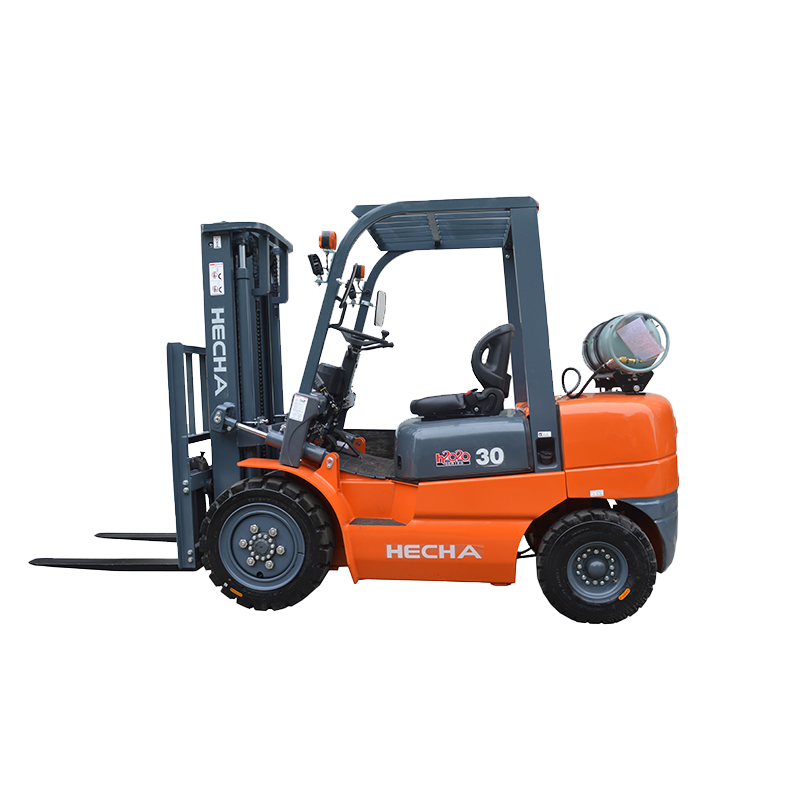 لیفتراک LPG دوگانه سوز برای کاربردهای مختلط این لیفتراک 1.5 تا 3.5 تنی که با گاز مایع یا بنزین کار می کند، مناسب مکان های نیمه باز با روسازی یا شیب های ترک خورده است. آلایندگی کم را با سازگاری تایرهای پنوماتیک ترکیب می کند و راحتی و کشش را بدون قابلیت آفرود کامل ارائه می دهد. مشاهده محصول →
 زمین ناهموار و اصلاح نشده هیچ انتخاب واقعی باقی نمی گذارد شن، خاک فشرده و محل های ساخت و ساز به آج عمیق و فاصله زیاد از سطح زمین نیاز دارند. برای کار تمام وقت در فضای باز، یک لیفتراک دیزلی 5-7 تنی با لاستیک های پنوماتیک دوگانه را در نظر بگیرید که بار را به طور یکنواخت توزیع می کند و از فرو رفتن دستگاه در مواد شل جلوگیری می کند. اگر زمین به خصوص ناهموار است، اختصاص داده شده است تنظیمات لیفتراک زمین ناهموار نقطه شروع صحیح هستند.
فراتر از کشش: بار، راحتی و شعاع گردش
ظرفیت بارگیری اغلب اشتباه گرفته می شود. یک تایر بالشتکی می تواند بار سنگینی را روی یک کف صاف و سخت حمل کند زیرا ترکیب تایر متراکم است و محکم به رینگ چسبیده است. اما در یک طبقه ناهموار، تنها بخشی از لاستیک در هر لحظه بار را حمل می کند، که استرس موضعی ایجاد می کند و می تواند عمر لاستیک را به طور چشمگیری کاهش دهد. لاستیکهای پنوماتیک، در مقابل، تغییر شکل داده و به دور زمین میپیچند و بار را در فضای بزرگتری پخش میکنند. به همین دلیل است که آسانسورهای سنگین در فضای باز تقریباً همیشه از لاستیک های پنوماتیک استفاده می کنند.
راحتی اپراتور یکی دیگر از محرک های خرید است. جابجایی کامل یک لیفتراک تایر بالشتکی روی بتن شکسته، هر ضربه را به صندلی و فرمان منتقل می کند. لاستیک های بادی مقدار قابل توجهی از این ارتعاش را جذب می کنند و خستگی اپراتور را کاهش می دهند. اگر اپراتورهای شما چرخه های طولانی را اجرا کنند، تفاوت راحتی در کاهش زمان خرابی و توجه بهتر به ایمنی قابل اندازه گیری است.
شعاع چرخش جایی است که تایرهای بالشتکی به وضوح برنده می شوند. لاستیک نزدیک به شاسی قرار می گیرد و زاویه فرمان برای انباشته شدن 90 درجه در راهروهای تنگ بهینه شده است. لیفتراک تایرهای پنوماتیک برای قرار دادن چرخهای بزرگتر به چارچوب وسیعتری نیاز دارند، بنابراین شعاع چرخش بیرونی افزایش مییابد. شما می توانید در چیدمان قفسه ها با تعریض راهروها جبران کنید، اما این هزینه فضای کف انبار را دارد.
مطابقت پیکربندی لیفتراک با انتخاب تایر شما
هر عملیات جابجایی مواد باید ابتدا در اطراف تایر طراحی شود. این توالی عملی است که ما توصیه می کنیم.
- روی زمین راه بروید. به مواد سطح، شیب، زهکشی، درزهای انبساط و هرگونه زباله توجه کنید.
- عرض راهرو در بدترین حالت و فضای چرخش را در هر گوشه بررسی کنید.
- محموله معمولی و ارتفاع بالابر، به علاوه اینکه کامیون با بار کامل چقدر سفر می کند را فهرست کنید.
- بین بالشتک و پنوماتیک بر اساس زمین تصمیم بگیرید، نه بر اساس دسته کامیون.
- فقط پس از آن نوع برق را انتخاب کنید: برقی برای فضای داخلی، LPG برای مخلوط، دیزلی برای فضای باز سنگین.
این ترتیب از اشتباه گران قیمت خرید آسانسور با بسته بندی اشتباه تایر و سپس مقاوم سازی جلوگیری می کند. همچنین توضیح میدهد که چرا برخی از مشتریان ما یک کامیون برقی بالشتکی را برای کفهای صیقلی و یک کامیون دیزلی پنوماتیکی را برای حیاط انتخاب میکنند، حتی زمانی که در یک ساختمان هستند.
اشتباهات رایج و نکات عملی خرید
اشتباه 1: ابتدا ارزان ترین لاستیک را بخرید. لاستیکی که در عرض هجده ماه فرسوده می شود، بیشتر از لاستیک کمی گرانتر است که چهار سال عمر می کند. پیگیری هزینه در ساعت، نه قیمت خرید.
اشتباه 2: نادیده گرفتن شاخص بار. لاستیک های بالشتکی و پنوماتیکی دارای بار متفاوتی هستند و لیفتراک مشخص شده برای 5 تن روی بتن صاف ممکن است روی شن با تایرهای مشابه ایمن نباشد. همیشه از نمودار بار سازنده برای نوع واقعی تایر کار کنید.
اشتباه 3: فراموش کردن تغییرات در فاصله راهرو. تغییر از لاستیک های بالشتکی به پنوماتیک در همان مدل لیفتراک همیشه بدون اصلاح شاسی امکان پذیر نیست. شعاع چرخش بیرونی و فاصله کالسکه دوشاخه را قبل از حرکت تأیید کنید.
اشتباه 4: با فرض اینکه تایرهای بادی بدون نیاز به تعمیر و نگهداری هستند. فشار هوا باید به طور منظم بررسی شود و آج ها را می توان با آوارهای تیز برید. حتی تایرهای پنوماتیک جامد نیز نیاز به بازرسی دیواره جانبی و چرخش دوره ای دارند.
برای نگاهی عمیق تر به اینکه چگونه زمین عملکرد لیفتراک را تغییر می دهد، به تحلیل ما مراجعه کنید چرا لیفتراک های دیزلی در گشتاور و زمین عملکرد بهتری از مدل های الکتریکی دارند؟ .
سوالات متداول
Q1: آیا می توانید لاستیک های پنوماتیک را روی یک لیفتراک تایر بالشتکی قرار دهید؟
فقط در صورتی که لیفتراک برای نصب دو تایر طراحی شده باشد. لیفتراک تایر کوسن دارای توپی، فاصله محوری و هندسه فرمان متفاوتی است. مقاومسازی لاستیکهای پنوماتیک معمولاً به بستهبندی محور و گلگیر جدید نیاز دارد و ممکن است امتیاز سازنده را باطل کند.
Q2: کدام نوع تایر دوام بیشتری دارد؟
در بتن صاف، یک تایر بالشتکی با کیفیت میتواند از لاستیکهای بادی پر از هوا دوام بیاورد، زیرا هیچ خمشی در دیواره جانبی یا برش آج وجود ندارد. در سطوح ناهموار، لاستیکهای پنوماتیک دوام بیشتری دارند، در حالی که لاستیکهای بالشتک در قسمت شانه ترک میخورند. پاسخ کاملاً به شرایط زمین بستگی دارد.
Q3: آیا تایرهای پنوماتیک جامد حد وسط خوبی هستند؟
بله، برای یاردهایی با خطر سوراخ شدن اما زمین نسبتاً محکم. آنها هندسه هوا-لاستیک را بدون لاستیک پنچر ارائه می دهند. آنها سنگینتر هستند و هزینه بیشتری نسبت به لاستیکهای پر از هوا دارند، بنابراین بازپرداخت به این بستگی دارد که در غیر این صورت چقدر وقت خود را برای پنچری از دست میدهید.
Q4: کدام تایر برای استفاده در داخل ساختمان ایمن تر است؟
لاستیکهای بالشتکی معمولاً به دو دلیل در داخل خانه ایمنتر در نظر گرفته میشوند: مرکز ثقل پایینتر خطر واژگونی را کاهش میدهد و ساختار محکم از تخلیه ناگهانی باد در نزدیکی عابران پیاده یا قفسهبندی جلوگیری میکند. لاستیک های پنوماتیک در داخل ساختمان زمانی که کف ناهموار است یا ارتفاع اسکله به کالسکه چنگال بلندتری نیاز دارد قابل قبول هستند، اما مدیریت سرعت مناسب مورد نیاز است.
اگر سطح سخت و صاف است، تایرهای بالشتکی را برای دستاوردهای عملیاتی واقعی انتخاب کنید. اگر سطح ناهموار، شل یا ناهموار است، لاستیک های پنوماتیکی انتخاب قابل اعتمادی هستند. بهترین تایر جهانی وجود ندارد. فقط لاستیکی هست که با زمین زیر چرخ های شما مطابقت دارد.